
Signs of a Water Leak Under Your House
A hidden water leak is one of those problems that tends to get discovered way too late. By the time most people notice something’s wrong, the damage is already underway. Structural issues, rising water bills, damp walls, the works. The good news is that your home usually gives you some warning signs before things get serious. You just need to know what to look for.
Visible Signs of a Water Leak
These are the signs you can see when you inspect your own property. If any of these look familiar, give our team a call.

Damp patches
on floors
If a section of your floor feels soft when you walk on it, looks stained or is wet to the touch without any obvious cause, there is a good chance something is leaking below. This is especially common on concrete slabs or in homes with suspended timber floors.

Cracks in foundations or walls
Water moving through or under your foundations puts pressure on the structure of your home. New cracks appearing in walls, especially near the base, can be an indicator of water damage rather than simple settling.

Mould or mildew in unexpected areas
Mould in a bathroom or laundry is not unusual. Mould in a hallway, bedroom or along a skirting board is a different story. If it keeps coming back, no matter how many times you clean it, moisture from an underground leak could be the cause.

Pooling water around the house
Water pooling near the base of the exterior walls of your home after dry weather is a red flag. It could mean a pipe has failed below the slab or under the subfloor, and the water is finding its way out.

Warped or buckled flooring
Timber and laminate flooring absorb moisture. If your floors are starting to lift, cup or buckle without any spills to explain it, investigate sooner rather than later. Water damage at this stage is already doing its work.
Hidden Signs You Might Miss
Not every leak is visible. Some of the most common signs show up in ways that are easy to dismiss or explain away as something else.
- Unexplained increase in water bills: If your water usage has not changed but your bill has gone up significantly, water is going somewhere. A slow underground leak will not announce itself, but it will show up in your quarterly statement.
- Drop in water pressure: Low pressure at the tap, especially when it seems to have crept in gradually, can indicate a pipe leak somewhere in the supply line. If your hot water pressure is the main issue, a hot water pipe may be the culprit.
- Sound of running water when nothing is on: Turn everything off. Then listen. A faint hissing or trickling sound from under the floor or through a wall, with no tap or appliance running, is worth taking seriously.
- Musty or damp smell in certain rooms: A persistent musty smell, particularly in rooms without obvious moisture sources, often points to hidden water damage. The smell is usually mould or mildew growing somewhere you cannot easily see.
- Hot spots on the floor: Sections of flooring that feel warm underfoot, particularly on a concrete slab, can indicate a hot water pipe leak below. This is a common but often overlooked sign. If your hot water system seems to be working harder than usual as well, this is worth mentioning to your plumber.
Visible Signs of a Water Leak
These are the signs you can see when you inspect your own property. If any of these look familiar, give our team a call.

Turn off the water main and check your meter
Turn off all taps and appliances, then locate your water meter. Note the reading. Come back in an hour without using any water. If the reading has changed, there’s a leak. This quick test does not tell you where it is, but it confirms something is happening.

Document what you
have found
Take photos of any damp patches, cracks, mould or pooling water. Note where the signs are, when you first saw them and whether they’re getting worse. This information is genuinely useful for when a plumber arrives on site.

Call a licensed plumber for professional leak detection
A visual inspection is just the start. Locating an underground or under-slab leak requires specialist equipment and training. Contact a licensed plumber who offers leak detection services and can accurately pinpoint the source.

Don't ignore it
Small leaks become big, expensive problems. A slow drip under a slab can quietly erode foundations, rot subfloor timbers and encourage mould growth for months before the damage becomes visible. The cost of early plumbing inspection is nothing compared to the cost of structural repairs.
Why Early Detection Matters
Catching a water leak early is not just about saving money on your bill. It protects your home on multiple fronts.
- Prevents structural damage. Water that sits under a slab or subfloor steadily weakens the foundations and timbers supporting your home.
- Avoids mould and health risks. Prolonged moisture creates conditions where mould thrives, which can affect air quality and seriously affect your health.
- Saves money. Fixing a leak early costs far less than dealing with the water damage it causes. Your water bills return to normal as well.
- Protects your property value. Unresolved water damage shows up in building reports and can affect your ability to sell or insure your home.
DIY Checks vs Professional Leak Detection
| Approach | What this means for you |
|---|---|
| What homeowners can check themselves | The water meter test is something any homeowner can do: turn everything off, note the reading, wait an hour, and check again. A thorough visual inspection of the property is also a reasonable starting point. These steps confirm something is wrong and give your plumber useful context. |
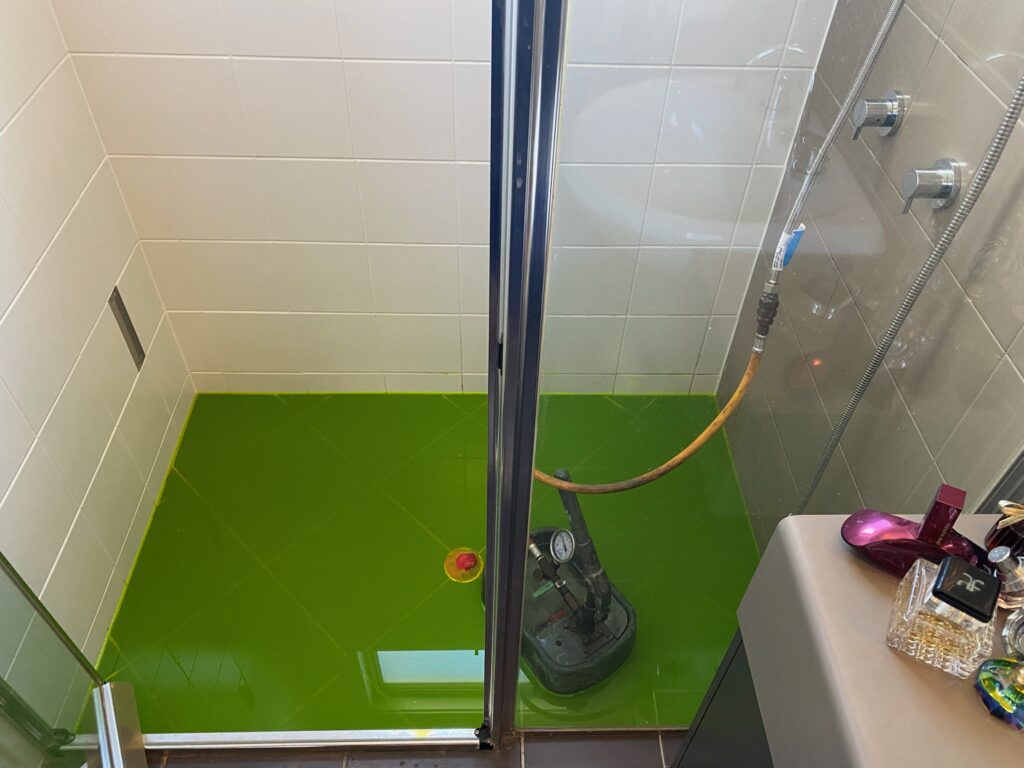
| When to call a professional | Once you have confirmed there is a leak, professional detection is the next step. Licensed plumbers use specialist equipment, including acoustic detection devices, thermal imaging cameras and pressure testing to locate leaks invisible to the eye, including hidden leaks deep within pipes or under concrete slabs. |
| Why professional detection is more reliable | Guesswork costs money. Digging in the wrong place, or attempting a repair without locating the actual source, often makes things worse. Professional leak detection removes the uncertainty. You get a clear answer on exactly where the issue is, so the repair is targeted, and the job gets done right the first time. |
Suspect you have a leak on the Sapphire Coast? The team at Plumbers R Us provides professional leak detection across the Bega Valley, from Merimbula to Bega and everywhere in between. We use specialist equipment to find the problem fast, with no unnecessary digging or guesswork. Get in touch today for an honest assessment.
Frequently Asked Questions
How do I know if I have a water leak under my house?
Common signs include damp patches on floors, unexplained increases in your water bill, low water pressure, a musty smell in certain rooms and the sound of running water when all taps are off. You can confirm a leak by checking your water meter before and after an hour with no water use. If the reading changes, water is escaping somewhere in your system.
Can a water leak under the house cause foundation damage?
Yes. Water that sits under or around your foundations over time can erode soil, weaken concrete and rot subfloor timbers. This type of structural damage is expensive to fix and entirely avoidable with early leak detection. If you notice new cracks in your walls or floors alongside other moisture signs, have it looked at by a leak detection specialist as soon as you can.
How do plumbers detect leaks under a house?
Licensed plumbers use several methods depending on the situation. Acoustic detection equipment picks up the sound of water escaping from a pressurised pipe. Thermal imaging cameras identify temperature differences caused by hot water pipe leaks. Pressure testing isolates sections of the system to confirm where pressure is dropping. These techniques allow plumbers to locate hidden leaks accurately without unnecessary excavation.
How much does leak detection cost on the Sapphire Coast?
Leak detection costs vary depending on the complexity of the job, the size of the property and the methods required to locate the leak. For an accurate quote tailored to your situation, contact Plumbers R Us directly. We will give you a straight answer with no run-around.
Should I call a plumber or try to fix a water leak myself?
For a simple visible drip from a tap or fitting, a plumber can advise over the phone. For any underground leak, under a slab or within your walls, you need a licensed plumber. Attempting to locate or repair these yourself risks causing additional damage and may not comply with local plumbing regulations. A professional plumbing inspection is the safest and most cost-effective approach.
What the Locals Say
EXCELLENT Based on 4 reviews
 Posted on Google
 Kat FairlieGreat job from the team at Plumbers R Us. They were incredibly helpful and professional when I needed my kitchen tap replaced with a brand new one. They arrived within hours of me calling, and completed the installation on the same day.Posted on Google
 Lorenzo SanniCouldn’t be happier with the service from Plumbers R Us. They came out the same day, fixed my leaking pipe fast, and left everything tidy afterwards. Super friendly, honest, and reasonably priced too. Hard to find tradies you can trust, but these guys are definitely one of them!Posted on Google
 Melanie MerakiMichael and his apprentice Jai were extremely professional, and did an excellent job re routing my water mains. This was a fairly complex task and involved a lot of discussion and planning- in which Michael made sure I understood all the options. I am particularly impressed with the tricky copper work- it looks fantastic. And most importantly- I no longer have a burst pipe which was leaking water. They were also very prompt and reliable.Posted on Google
 Gabriel MachuretExcellent. Michael and his team were super professional and you know you can always relay on them for any plumbing need. Thank you guysVerified by TrustindexTrustindex verified badge is the Universal Symbol of Trust. Only the greatest companies can get the verified badge who has a review score above 4.5, based on customer reviews over the past 12 months. Read more